Industry
Engineering for the product behind the subscription.
Web applications, tenant permissions, billing workflows, and integrations for new and existing SaaS products.
Where engineering helps
Workflows worth getting right
The data, decisions, and handoffs that shape the product.
Tenant boundaries
Make account ownership and data access explicit in the application and its tests.
Subscription changes
Map trials, plan changes, failed payments, and cancellations alongside the user experience.
Roles and permissions
Define what each role can see and do before adding administrative controls.
Onboarding and daily use
Connect setup steps to a useful first result and make recurring tasks easy to complete.
What we build
Systems we have worked on in this space
- Web applications and APIs
- Tenant and role permissions
- Billing and subscription integrations
- Onboarding and administration flows
- Monitoring and operational tooling
Constraints
Requirements to define early
Agree data handling, integrations, and operating responsibilities before implementation.
Data separation
Review how the product enforces tenant boundaries, including background jobs and administrative access.
Operating requirements
Agree deployment, support, audit logging, and integration requirements as part of the scope.

FAQ
Frequently asked questions
Can you work on an existing SaaS product?
Yes. Start with the current product, the work you need, and any technical documentation. An initial review helps establish the scope.
Can you help with billing integrations?
We can scope payment-provider integrations and the application behavior around subscription changes, failed payments, and account access.
Can we see relevant client work?
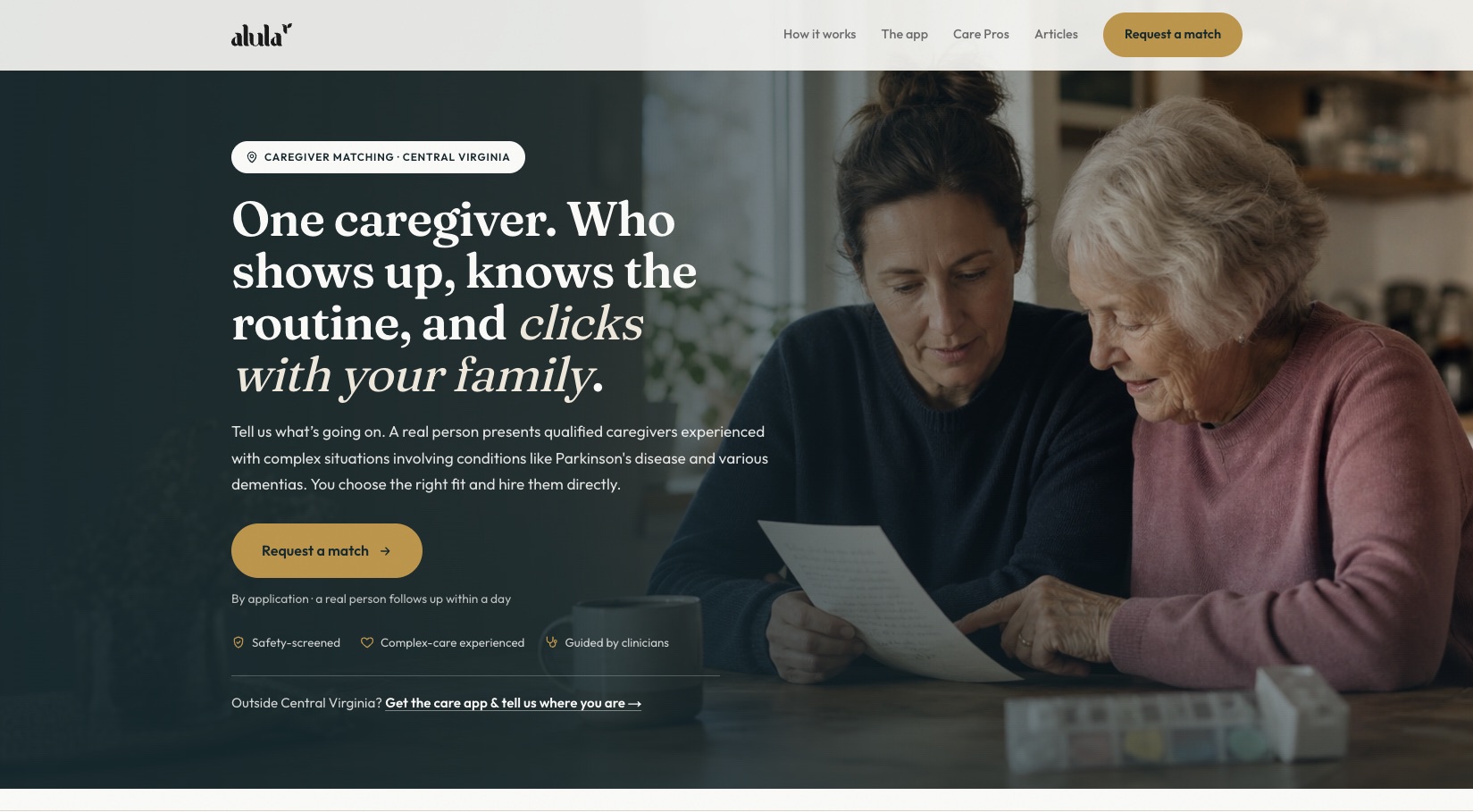
ProLyrics.ai and Alula are published client projects. Their case studies describe the product and engineering work.
How is the delivery timeline set?
The estimate depends on the existing codebase, integrations, requirements, and review process. Timing is agreed in the proposal.